
A house-based site has to do the job a storefront sign would do. It should show the right home, parking, and your offer before they leave the car. Website design in Historic Old NE, St. Petersburg, Florida starts there, because people hunt older homes on small lots. So the pages have to carry the directions a sign would have given.
Reviewed by Keanan Kintzel
Questions about website design? Call for More Info
When we have sat down with someone who works from a front room, the first questions were practical. Which door do clients use? Is the driveway long enough for one car, or do guests use the curb? After those answers, the page list usually changed. The homepage had to spell out arrival next to the offer.
Lots in Historic Old NE, St. Petersburg, Florida run small, and many porches share a shape under the oaks. A house number is easy to miss from the driver’s seat. Because of that, we treat arrival notes as part of the design, along with the offer and the photos.
What the first screen has to carry

A visitor on a phone should see your offer and a way to reach you without much scrolling. Then a short note on how to find the house should sit nearby. When they are already on the block, they won’t read a long story first.
We’ve watched people try to match a porch photo to the homes in front of them. When the photo came from the sidewalk, they found the door faster. So we ask for that shot early.
Parking belongs in plain language. Use the short drive when it’s open. But if a car is already there, tell them to use the curb and walk up. So that kind of line has saved a call from the street. After a summer shower, shaded blocks stay dim, and a visitor may not want to circle. Say which side the walk is on.
People drive in from elsewhere in Pinellas County with only the pin on their phone. Pins land wrong on small lots more often than owners expect. Because of that, we add a written landmark a driver can actually use. For example, name the side of the block toward the water, or a park they already passed. We use what you tell guests.
Some blocks still have brick paving. When that is true for your block, put it in the directions. When the block is plain asphalt, leave that line out.
Pages that stand in for a sign

Without a window display, the site has to say what you sell and who it is for. A services page does that job. So does a short page on how a visit works. When someone books time at your house, they ask if they come inside or meet you at the door.
We usually build a small set of pages. The home page carries the offer and the arrival note. A services page lists what you actually do, in your words. Then a visit page holds parking, the door, and the first ten minutes. A contact page holds a form and your hours. After that, we add a page only when the same question keeps coming up.
Copy should be original. We write it from what you said in the meeting. Tricks aimed at search engines draw penalties sooner or later. And a neighbor can tell when the words don’t match the person at the door. So we keep the lines close to how you already explain the work.
Questions about website design? Call for More Info
A map helps, and it’s also easy to get wrong. When the pin sits on the lot next door, we fix the written directions and then the pin. We’ve cleaned up listings where the pin pointed at a park or the water. Then the text carried people the last stretch.
A clip of the walk from the curb belongs in walk-up video production. Some owners also want a note that goes out after someone writes in. Then inquiry follow-up email can repeat the parking lines after they close the map.
For the months after launch, online marketing planning is worth setting on purpose. After that, we can handle the search side too. We train people on SEO practices, and we can run that work as well.
What to ask before you hire
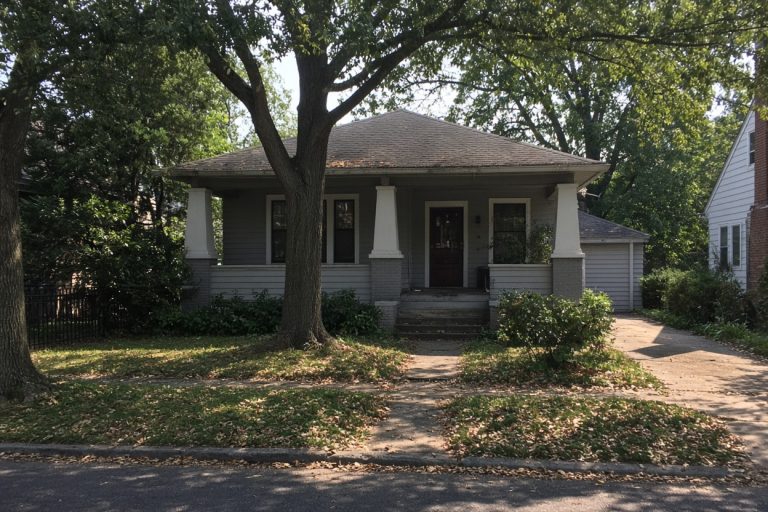
Before you hire, ask questions that match a house office. A retail portfolio leaves out the pinched driveway and the shared look of the porches. You want to see how they handled both.
- Can they show a house-office site and walk the directions page with you?
- Who writes the copy, and do they start from your words?
- What happens to a map pin that lands on the next lot?
- After you share the drive with a tenant, who edits the parking note?
Ask how they build the quote. We write quotes out line by line, so you can see the pages and the photos as separate lines. Then you can drop a page you don’t need yet. Because the first meeting can be a Zoom call or coffee, get parking answers in writing first.
Business consulting fits if you are still deciding what to offer from the house. You can book the site work first and add consulting later.
How long it takes and what follows

A small house-office site usually takes a few weeks once we have photos and your answers. If we are waiting on a walk-up photo or a decision about hours, it runs longer. Most people in this spot start from a blank page list. So the first week is mostly questions.
Cost follows the page count and the form. Booking adds another line if you need it. When you want a number, we price the list you approved. We work from Clearwater, Florida, and the same steps apply on these blocks.
After the site is live, expect a short punch list. We’ve rewritten arrival lines after an owner watched a guest miss the drive at dusk.
Winter weeks in Historic Old NE, St. Petersburg, Florida bring more visitors through town. Your hours page should be easy to change before that season. After a wet afternoon, people ask which walk to use. Put that on the visit page if it’s true for your lot.
Website design in Historic Old NE, St. Petersburg, Florida puts curb notes on the first screen before styling. The builds for this kind of office sit with our website design work. Update the visit page after rain if one walk stays slick. Change the hours page before winter bookings pick up.