
When the milder months start to matter
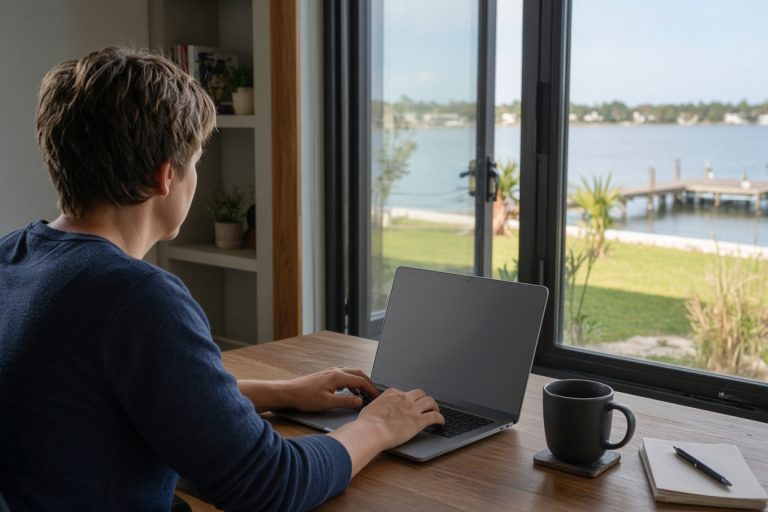
Owners on waterfront lots in Broadwater, St. Petersburg, Florida plan outdoor work for the milder months. Dock repairs and yard work are easier then. So they ask for a software date before that stretch fills up. Custom Software in Broadwater, St. Petersburg usually takes weeks for a small tool. A system that runs day-to-day work often takes several months. We’ll say that in the first conversation. Because a late build uses the hours they meant to spend outside.
Reviewed by Keanan Kintzel
A useful date starts with the tasks the software must handle on a normal Tuesday. Then we can name a month for a first version people can use. After that, the build can sit beside the outdoor calendar.
Questions about custom software? Call for More Info
Owners here are often outside during the day. So a question we send at noon may sit until evening. When that happens across a week, you lose that week on the build. We’ll put that lag into the schedule from the start.
What fills those weeks
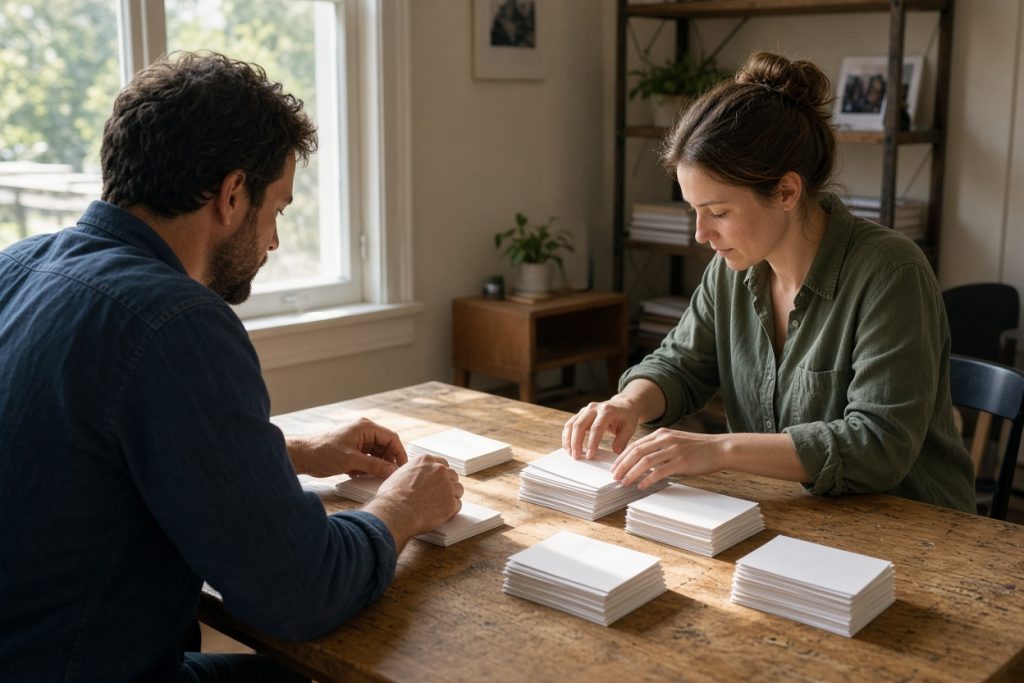
The first weeks go to scope. We sit with the people who do the work and write each repeated step. So a task they do every afternoon has a place in the new tool. When those steps stay fuzzy, the date slips. People have told us a first draft missed a step they never think to mention. Then we reopened scope and pushed the delivery month back.
Data cleanup can take as many days as the first screens. For example, old customer lists often need a pass before import. Because a messy list in a new tool spreads the same errors faster.
We usually split the job into a first version and a later round. The first version covers the tasks that slow the week down. Later rounds add reports and links to other software. When you only need one app for phones in the field, custom app planning is often the shorter path. But a full system makes more sense when several roles share the same records.
Choosing that first version changes the date more than any coding shortcut. Keep the tasks you do every day. Leave a rare report for a later round. When a feature only matters once a season, it can wait until outdoor work slows. If you can live with the old process for half a year, one pass can cover the whole job.
Owners across Pinellas County have asked us to phase the work when they had already booked outdoor jobs. A phased build fits when the milder months are close and you still need something usable.
Questions about custom software? Call for More Info
How the stages usually run

A tight internal tool usually takes about six to twelve weeks. That assumes answers come back within a few days. A build that replaces several spreadsheets and talks to other software typically runs three to six months. Work that spans several departments and old records often runs past six months. Those ranges are general. So your date moves with review rounds and with how fast decisions come back.
Waiting on a login from another company is a common delay. A scope change in the middle of a build week causes the same kind of delay. We’ve seen a short task stretch because a second department joined after coding started. Then the estimate needs a new line, and the end date moves with it.
People have called hoping for a finished tool in a month. After we listed the screens and the sign-off rounds, that month was never realistic. Review time is usually the piece people forget to count.
Cost tracks the hours in those weeks. More weeks means more hours. Integrations add hours even when the screens look small. We write each estimate line by line so you can see which piece adds the weeks. Business consulting helps when the process is still shifting. Because the software will follow the steps you hand us.
Find out what happens if a vendor is slow with access. Ask which weeks need you in the room. Write those answers next to the start date.
After people start using it

We walk the team through the tasks they already do. After that, small fixes are normal for a few weeks. For example, a control may sit in the wrong spot once people use it in a hurry. Then we patch those spots and the questions slow down.
We also show one person how to add a user and how to export a list. After the handoff, that person can handle the small daily changes. Bigger changes still come back to us on their own short timeline.
You can see how we scope and build on our custom software work. That page covers what we need before a date is firm. Some owners also want a public site. Web design runs on a separate schedule. We sequence it so the two jobs don’t need the same weeks.
Because we are based in Clearwater, Florida, the first working session is often a video call. That keeps a workday free when you are already on a lot. Put review time on the calendar in the same week you pick a start. Late answers push the end date by about the same number of days.