
What the high-rise search is asking

Clearwater Beach sits on a barrier island, with condo towers along the Gulf and houses back on the mainland. A job inside one of those towers is its own search. An SEO Company in Clearwater builds that page for the trade. A manager should see which jobs the firm can reach before anyone calls.
People call us when a leak or a tired air handler is on an upper floor. Then they ask if a cart fits the service elevator, and on which days. Because the search is about tower access, the page has to name the floors and the booking limits.
So we start with the jobs the firm already takes. We write them in plain lines after we hear the limits. For example, a weekday elevator window, plus the insurance paper the desk wants first. Calls come in for work the crew can’t schedule when those facts are missing.
Questions about seo company? Call for More Info
We have had owners call after a page promised any floor in any tower. The association had a vendor list, and the crew was not on it. So we ask about that list before we publish a reach line.
Because mainland crews cross the Memorial Causeway, the page should leave room in the arrival time. Beach traffic can use up a short window. So scheduling on the page has to match that drive.
Pages an SEO Company in Clearwater builds for tower work
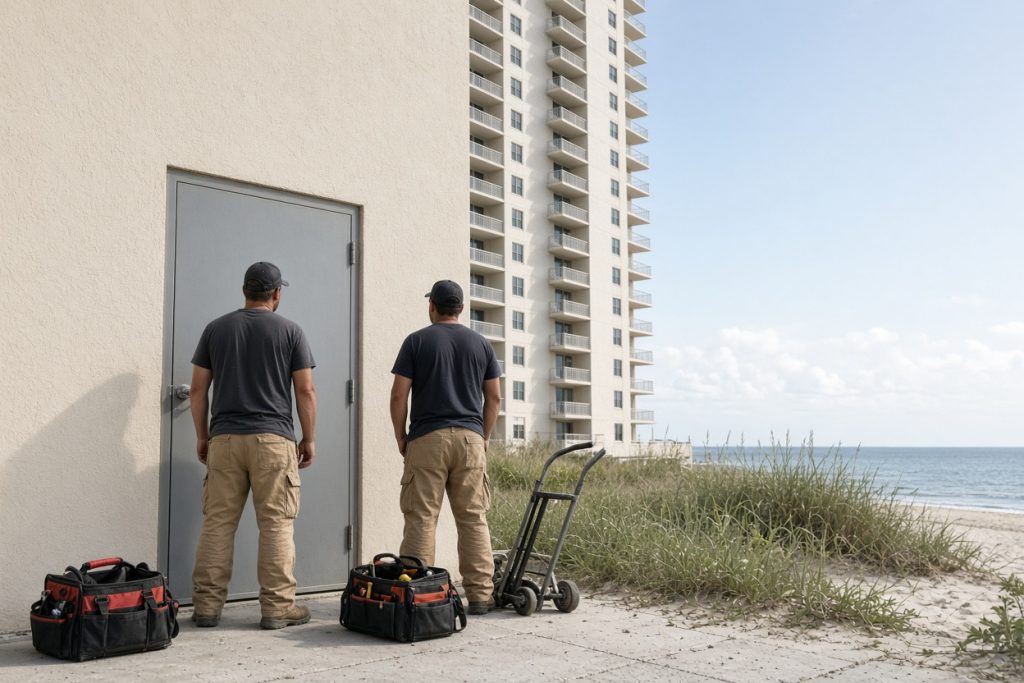
We sit with the owner and list the jobs the crew will take inside a tower. Plumbing on an upper floor needs its own elevator time. An air-handler swap needs a longer slot. So each job gets its own plain statement of reach. A painter who also covers houses elsewhere in Pinellas County still needs that tower block.
Then we pick a shape. A section on the main service page works when the crew size matches a house visit. A property manager booking a service elevator often needs a separate page. We use that shape when the search phrases split.
After the shape is set, we write each page from scratch. We write original copy for it. Trick methods that try to game the search engines draw a penalty sooner or later. So the lines stay a straight account of the work. The page names what the crew carries up. It also names what the office needs before the truck rolls.
We also ask which hours the desk will hold an elevator. Skipping the hour window brings calls the crew can’t take. After we have that hour, we put it near the top. A manager can see it without a long scroll.
The two pages can’t be copies with the town name swapped. So each one needs its own job list and its own access notes. We connect them so a reader on the house page can move to the tower page. That saves a second search.
When the copy is ready, the page has to live on a site that can hold several services. We handle that through website builds that keep service pages clear, with the reach statement near the top. A manager often reads it on a phone in the lobby while a cart waits.
Questions about seo company? Call for More Info
Time, cost, and what shows up later

Usually a first set of service pages takes a few weeks once the job list is in hand. After the kickoff, the first days cover the interview and a draft. Then we revise the reach lines with the person who books the elevator. After that, the page goes up, and we watch which queries bring visits.
During busier beach weeks, more units are occupied and the elevator book fills earlier. The page should mention that lead time. Because a Friday repair can lose its elevator slot if the book filled that morning. We keep that line general so it still reads true in a quiet month.
So cost follows how many pages we build and whether the rules are already in writing. We write quotes out line by line once we see that list. Photos from a finished tower job add time on a booked elevator slot.
A strategic plan around the pages still matters. We fold the tower pages into the wider online marketing. The offer then has a place in the rest of the plan. When those pages need steadier fitting calls, we connect that work to lead-focused SEO work.
After the launch, we check the queries that reach the page. Then we adjust the lines when the queries are still about house calls. We don’t promise a ranking. A page keeps its place when the access rules on it stay current.
A manager who asks for insurance papers still needs a reply the next morning. We set that up with email follow-up on quote requests. So the reply can carry both the certificate request and the open booking window.
Questions people ask
These are the questions that come up once a trade owner sees the first draft. The answers change the copy we publish.
So we keep useful answers on the page, where the next searcher can read them before they call. Those lines also give the office a script that matches the published reach.
Can one page cover house calls and tower jobs?
It can, when the booking steps match a house visit. When the tower job needs an elevator slot and a certificate, we split the copy. We might use a headed block on the same URL, or a second page if the phrases differ a lot. We choose after we look at the phrases the site already shows up for.
Should the page name a building?
When the owner wants that building named, they should also confirm past work there. The owner should have worked there under the association rules. We don’t invent a client list. For example, the kind of tower and the floor range are often enough. It stays true if one building changes its vendor list.
What do we need from the trade before we write?
We need the job types they will accept on upper floors. The days they can book a service elevator matter too. We also need the papers the desk usually asks for. Because those papers decide whether the truck leaves the shop. Photos help when they show finished work and leave logos off the clothing. We can train the person who answers the phone. Then the spoken answer matches those lines. If the desk offers a wider reach, we narrow the page until both say the same jobs.